Table of Contents
- – Understanding the Neurobiological Foundation o...
- – EMDR Therapy: Reciprocal Excitement for Injury...
- – Ego-State Treatment: Collaborating With Interi...
- – Photo Change Therapy: Improving Traumatic Memo...
- – Treating Anxiety and Depression Via a Trauma-I...
- – Searching For Holistic Injury Therapy: What to...
The landscape of injury treatment has progressed substantially over the past 2 decades, moving past traditional talk therapy to embrace body-centered, neurobiologically-informed techniques that deal with the complete complexity of human suffering. For individuals having a hard time with anxiety, anxiety, and the long lasting effects of trauma, all natural healing methods offer paths to recovery that recognize both the psychological and somatic dimensions of distress. Experts that incorporate approaches like EMDR treatment, ego-state therapy, and photo improvement therapy represent a paradigm shift in psychological health care-- one that acknowledges injury as a whole-person experience needing detailed treatment.
Understanding the Neurobiological Foundation of Injury Treatment
Trauma essentially modifies just how the mind procedures and shops memories, developing consistent patterns of hyperarousal, psychological numbing, and intrusive recollections that characterize PTSD and complex injury. Unlike average memories that incorporate into our autobiographical story, stressful experiences typically continue to be fragmented and unprocessed, stored in implicit memory systems that activate fight-flight-freeze feedbacks without conscious recognition. This neurobiological reality clarifies why just discussing injury, while important, frequently verifies inadequate for full recovery.
Modern injury therapies target these subcortical brain structures where terrible memories stay. EMDR treatment uses reciprocal stimulation-- typically eye activities-- to facilitate the mind's all-natural info processing system, enabling terrible memories to be reprocessed and incorporated. Ego-state treatment collaborates with various components of the self that created as protective reactions to frustrating experiences, aiding these fragmented facets connect and team up. Image improvement treatment employs led images to accessibility and transform the sensory, psychological, and cognitive components of distressing memory.
The efficiency of these methods exists in their capacity to collaborate with the limbic system and brainstem-- primitive mind regions that control emotional policy and survival actions. By involving these deeper structures, holistic trauma therapy creates adjustments that speak treatment alone can not achieve, actually rewiring the neural paths that keep people trapped in cycles of stress and anxiety, anxiety, and stressful reactivity.
EMDR Therapy: Reciprocal Excitement for Injury Processing
Eye Activity Desensitization and Reprocessing, established by Dr. Francine Shapiro, has emerged as one of the most thoroughly researched injury treatments available. The treatment operates the Adaptive Info Handling model, which suggests that psychological distress arises from improperly processed memories. Throughout terrible occasions, the brain's normal combination processes become overloaded, leaving memories stored in fragmented, unprocessed kinds that proceed producing signs.
EMDR sessions comply with an organized eight-phase protocol that starts with history-taking and preparation before moving right into memory reprocessing. During reprocessing, customers concentrate on troubling images, negative beliefs, and body sensations while simultaneously taking part in reciprocal stimulation-- most frequently complying with the therapist's fingers with their eyes. This double focus shows up to simulate the natural handling that happens during rapid eye movement sleep, permitting the mind to metabolize stressful product and create more adaptive neural links.
What identifies EMDR from direct exposure therapy is that customers require not offer comprehensive spoken narratives of their trauma. The reprocessing happens greatly at a neurological level, making EMDR especially beneficial for preverbal injury, dissociative signs, or experiences as well frustrating to verbalize. Numerous clients report significant signs and symptom decrease in less sessions than traditional treatment, though intricate trauma typically needs much more extensive treatment.
The applications of EMDR prolong beyond PTSD to include stress and anxiety problems, depression, phobias, and anxiety attack. When these conditions have stressful roots-- unfavorable childhood years experiences, bullying, clinical injury, crashes-- EMDR addresses the resource instead of merely handling signs. This root-cause method lines up with holistic treatment approach that seeks sustainable recovery instead than momentary sign suppression.
Ego-State Treatment: Collaborating With Interior Components for Assimilation
Ego-state therapy recognizes that the psyche normally organizes right into unique components or states, each with its own perspective, feelings, and protective features. While everybody has ego states-- think about the component that wishes to be productive versus the part that needs rest-- trauma intensifies these divisions, producing inner fragmentation that manifests as contrasting impulses, dissociative signs and symptoms, or sensation "" at war with yourself.""
Created from hypnotherapy and psychoanalytic practices, ego-state therapy aids customers identify and communicate with different parts of themselves, particularly those iced up in traumatic time. A part may continue to be stuck at age seven, still terrified and waiting for danger, while grown-up life proceeds around it. These more youthful components usually bring the emotional intensity of trauma while protective parts created fancy methods-- perfectionism, psychological numbing, hypervigilance-- to avoid retraumatization.
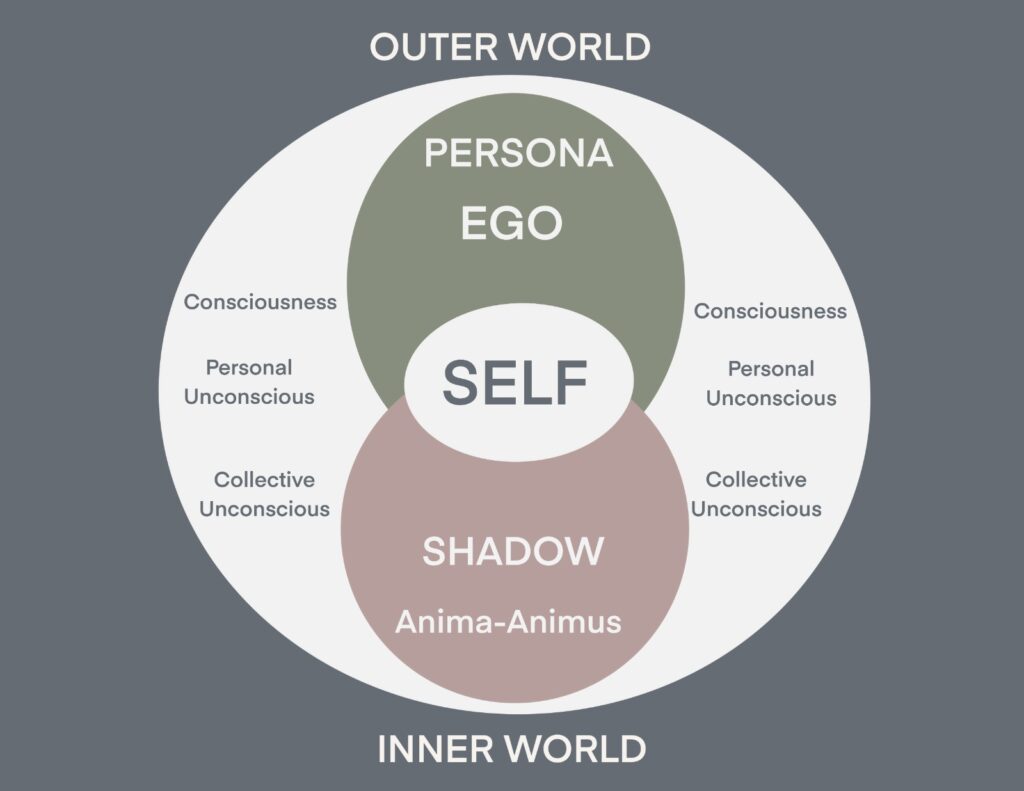
Skilled ego-state specialists help with internal dialogue and negotiation in between components, assisting them upgrade their understanding of current security and collaborate instead of dispute. This strategy shares similarities with Internal Household Solutions treatment yet emphasizes the hypnotic and somatic measurements of accessing different states. Customers learn to provide the care and validation their shocked parts needed but never obtained, basically reparenting themselves from the inside out.
For people with complicated injury or dissociative symptoms, ego-state therapy supplies a structure for understanding confusing internal experiences. Instead than pathologizing the fragmentation that made it possible for survival, this technique honors the flexible sparkle of the psyche while gently assisting in the integration required for present-day thriving.
Photo Change Therapy: Improving Traumatic Memory With Visualization
Picture transformation therapy (ImTT) stands for a lesser-known yet effective method that functions straight with the visual, sensory, and psychological components of stressful memory. Based on research showing that traumatic memories keep their sensory intensity-- staying as frightening as the initial event-- this treatment overviews customers through a procedure of deliberately changing these mental images to decrease their emotional charge.
The method entails recognizing the most disturbing picture connected with a distressing memory, then methodically changing its visual characteristics. Customers could visualize transforming a color picture to black and white, shrinking it to postage-stamp size, positioning it much distant, or presenting safety elements right into the scene. These transformations do not deny the reality of what took place yet alter exactly how the memory is stored and gotten, minimizing its ability to trigger frustrating psychological reactions.
What makes photo transformation specifically valuable is its meekness and customer control. Unlike exposure-based therapies that require sustained contact with stressful material, ImTT allows customers to experiment with small changes, developing proficiency and security. The strategy functions specifically well for aesthetic flashbacks, headaches, and anxieties where a particular photo or scene activates disproportionate distress.
All natural professionals often incorporate photo improvement with other techniques, using it as a stabilization strategy before much deeper trauma processing or as a method to combine gains from EMDR or ego-state work. The visualization abilities developed with ImTT likewise enhance overall psychological guideline, providing customers tools they can utilize separately when activating pictures develop.
Treating Anxiety and Depression Via a Trauma-Informed Lens
Contemporary research increasingly exposes that anxiousness and depression frequently have traumatic supports, even when no single devastating occasion is recognized. Chronic invalidation, psychological forget, unpredictable caregiving, and recurring anxiety all register as trauma in the nerves, creating lasting patterns of hypervigilance, despondence, and emotional dysregulation. Treating these problems holistically implies dealing with both present symptoms and their developmental origins.
Anxiety frequently represents an over active risk discovery system adjusted by very early experiences of danger or unpredictability. Instead of checking out anxiety as unreasonable or disordered, trauma-informed therapy recognizes it as a smart-- if outdated-- safety response. Strategies like EMDR can desensitize the details memories that educated the nervous system the world threatens, while ego-state job helps distressed parts really feel heard and progressively find out to rely on contemporary security.
Depression, specifically the persistent, treatment-resistant variety, typically conceals unrefined despair, craze, or embarassment pertaining to distressing experiences. The monotony and despondence of clinical depression can stand for a nerves closure response-- freeze or collapse-- that originated as defense from frustrating danger. Alternative trauma therapy reactivates these icy states slowly and securely, permitting suppressed emotions to relocate with the system and recovering the capacity for pleasure and link.
The combination of multiple techniques confirms especially useful for anxiousness and depression because these problems seldom have single causes. A detailed treatment plan may utilize EMDR for certain traumatic memories, ego-state treatment for inner conflicts, and photo makeover for invasive fears or depressive ruminations, all sustained by mindfulness and somatic techniques that develop present-moment understanding and nerves policy.
Searching For Holistic Injury Therapy: What to Search for in a Practitioner
The effectiveness of trauma therapy depends substantially on both the methods used and the therapist's skill, visibility, and dedication to continuous training. When seeking holistic injury treatment, several factors distinguish genuinely integrative specialists from those who just note several qualifications without deep proficiency.
Initially, look for specialists with considerable post-graduate training in their specialized modalities. EMDR qualification needs considerable supervised method beyond standard training, while ego-state treatment demands understanding of dissociation, accessory, and parts job. Practitioners that regularly participate in sophisticated workshops and appointment teams show dedication to mastery instead than superficial understanding.
Ego-state therapySecond, evaluate whether the therapist stresses nerves policy and somatic awareness. All natural injury treatment can not do well if customers remain dysregulated during sessions, so skilled specialists show basing methods, track stimulation levels, and rate the job appropriately. They comprehend that healing takes place in a home window of optimal arousal-- involved but not bewildered-- and possess the medical judgment to remain within that window.

Third, consider the therapeutic partnership itself. Research regularly demonstrates that the high quality of the healing partnership anticipates outcomes more dependably than specific methods. Injury survivors need therapists who personify safety, attunement, and authentic presence while keeping appropriate boundaries. Depend on your impulses regarding whether a therapist really feels really caring, nonjudgmental, and with the ability of holding room for tough feelings.
Holistic practitioners acknowledge that healing expands beyond symptom decrease to consist of meaning-making, post-traumatic growth, and reconnection with purpose. They watch customers not as damaged people calling for fixing however as resistant beings whose signs and symptoms stand for intelligent adaptations to impossible conditions. This strength-based point of view, incorporated with evidence-based strategies and deep healing existence, produces the problems for transformative recovery that deals with the entire individual-- body, mind, and spirit.

Table of Contents
- – Understanding the Neurobiological Foundation o...
- – EMDR Therapy: Reciprocal Excitement for Injury...
- – Ego-State Treatment: Collaborating With Interi...
- – Photo Change Therapy: Improving Traumatic Memo...
- – Treating Anxiety and Depression Via a Trauma-I...
- – Searching For Holistic Injury Therapy: What to...
Latest Posts
Combining Indigenous Wisdom with Cognitive Behavioural Therapy Methods
Effective Wellness Options
Self-Protection with Acceptance and Commitment Therapy
Navigation
Latest Posts
Combining Indigenous Wisdom with Cognitive Behavioural Therapy Methods
Effective Wellness Options
Self-Protection with Acceptance and Commitment Therapy